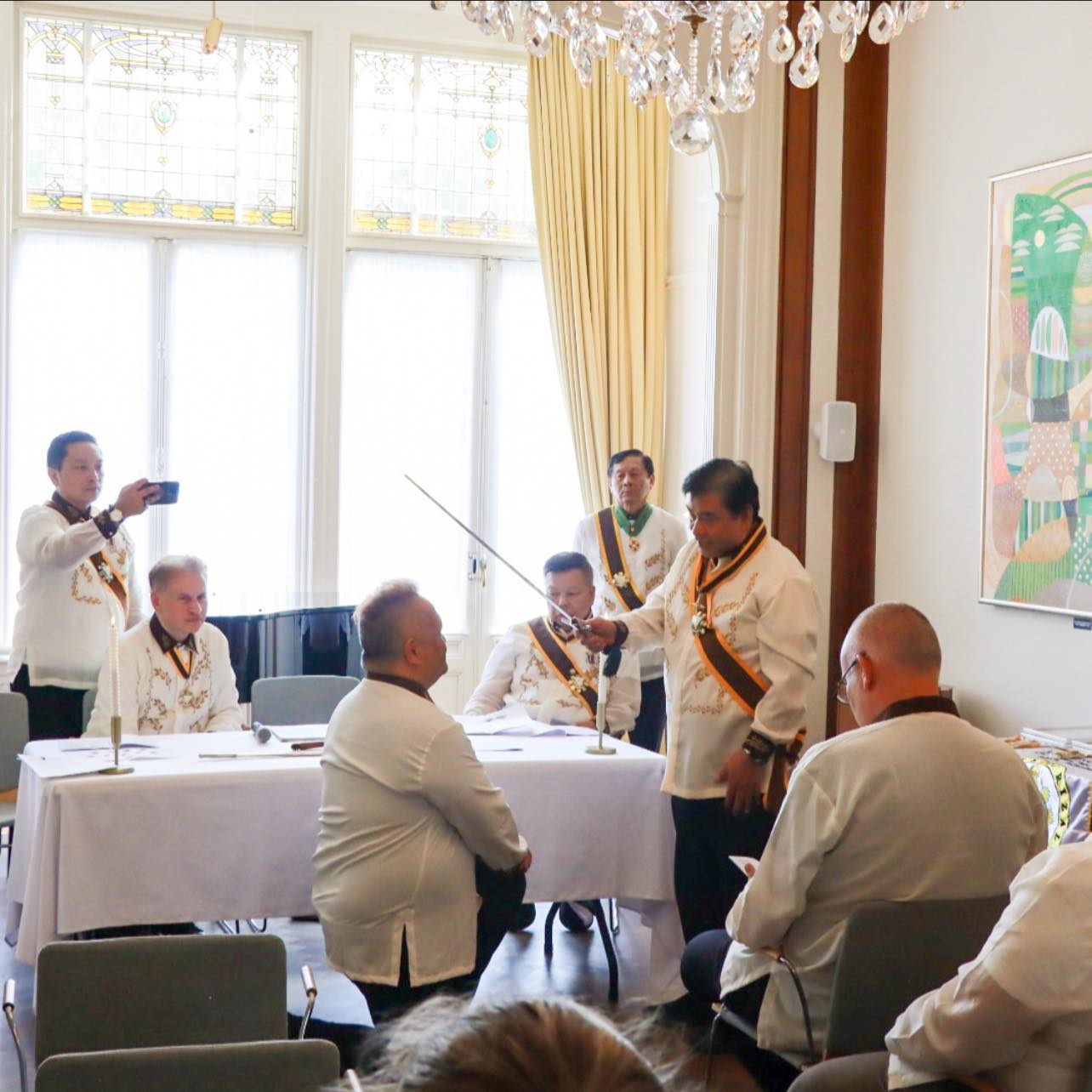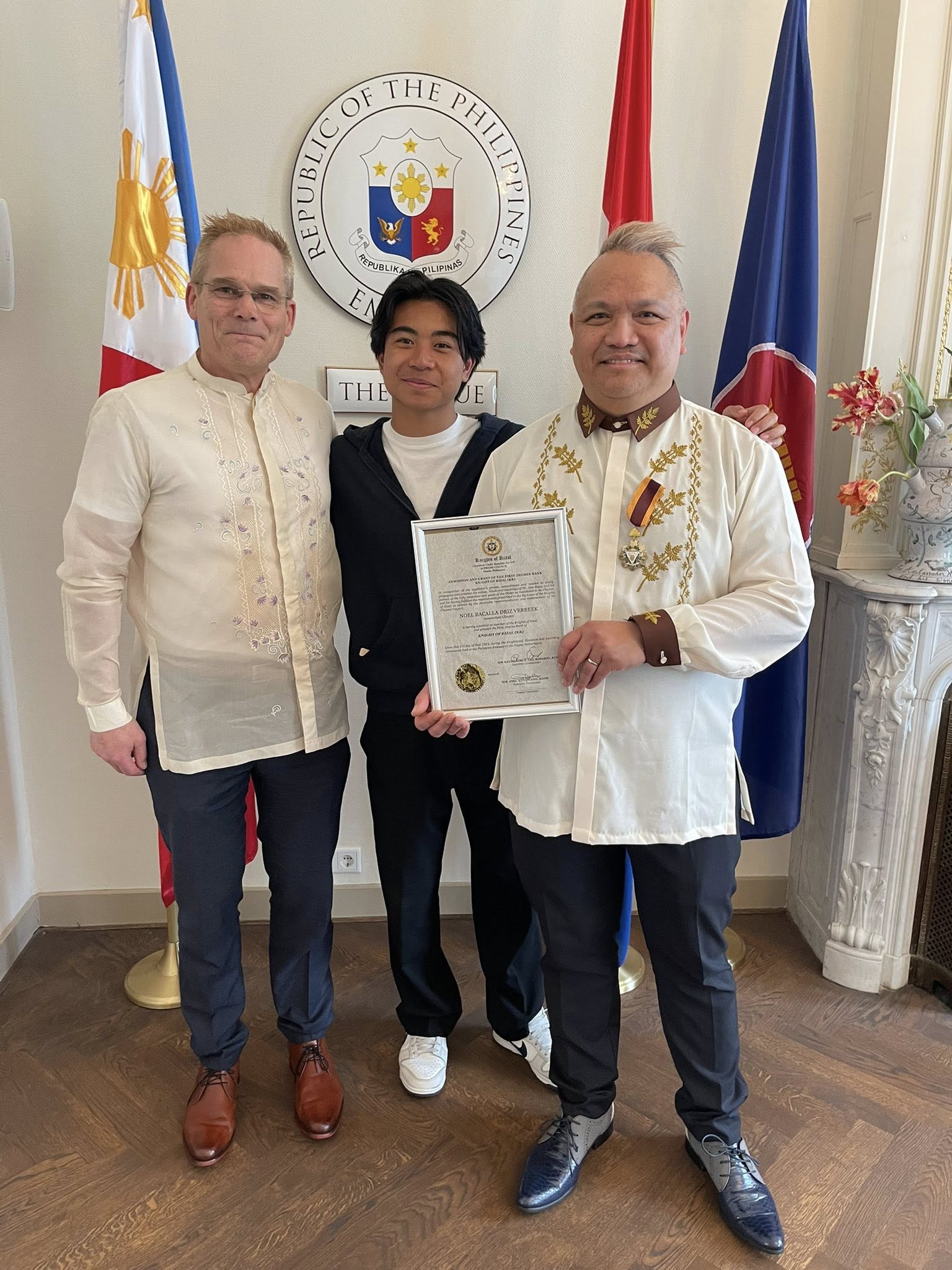
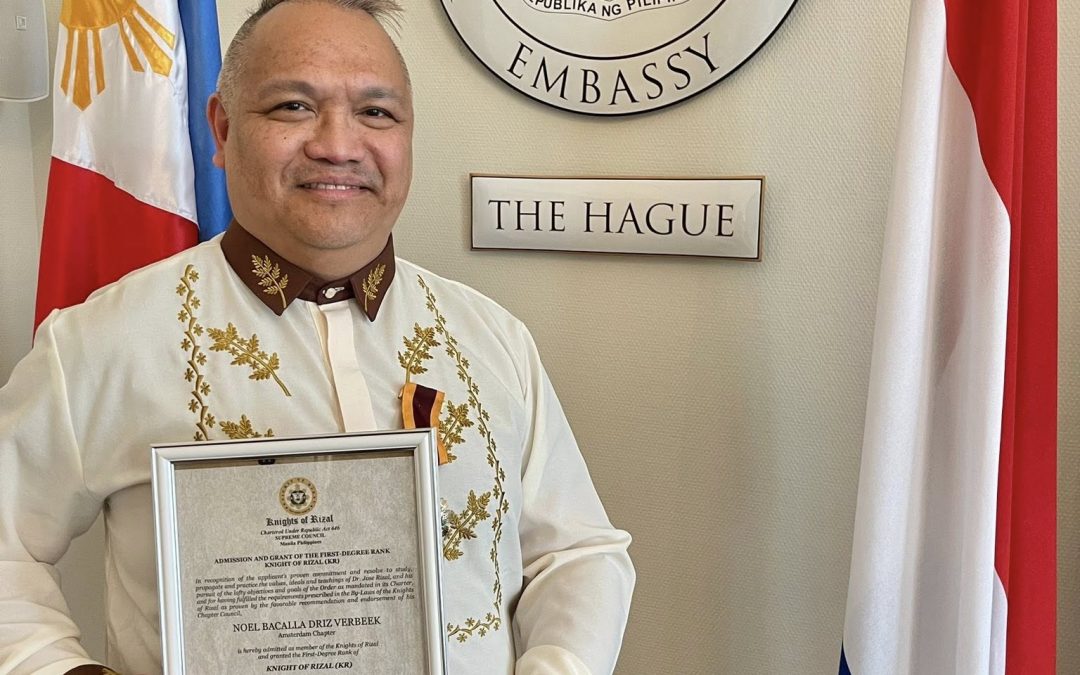
Last Saturday, 31 May 2025, I had the honour of being inducted into the Knights of Rizal. The ritual was not simply symbolic: it was a commitment, a crossing of thresholds. When Sir Chris Sta Brigida-Kopp, KCR informed me he would be nominating me as a postulant, I did not take the gesture lightly. I turned to the one thing that has always guided me when I face great responsibility: I began to read.
What I found was not merely the biography of a national hero, but the quiet sacrifices of a man who chose the pen over the sword, reason over rage. My own research revealed that Rizal’s struggle was never against Spain as a nation, nor against Spaniards as a people. It was against the systemic abuse of power: of priests who forgot their vows, by governors who did not govern, but conquered and countryfolk who connived instead of help. Rizal fought the perversion of duty, not the flag itself.
This insight led me to an unexpected connection not between Rizal and other Filipino revolutionaries, but between Rizal and William of Orange.
During my investiture, His Excellency, Ambassador Sir J. Eduardo Malaya, KGOR, drew attention to the strange, entwined fates of the Philippines and the Netherlands. From 1565 to 1714, both countries were territories under the Spanish Empire. The Dutch provinces, embroiled in a complex war of succession, were family to Spain by blood and rivals by fire. The Filipinos, on the other hand, were colonial subjects: conquered, catechized, and commodified. Yet both peoples yearned for the same thing: a future built not on domination, but on dignity.
“the King of Spain I have always honoured.”
There is no hatred in that line; only an assertion of identity without annihilation, loyalty without subjugation. William of Orange, like José Rizal, did not begin as a warrior. He was a nobleman, a diplomat, a believer in reform. Their resistance was never born of bloodlust but of necessity. Both men, in their own ways, preferred peace, but were unafraid of consequence. They did not seek vengeance, but freedom.
This is the context in which I now find myself as a new Knight of Rizal, a Filipino by birth, a Dutch by choic, not either or, but both, always, by love. I waited nearly two decades before acquiring Dutch citizenship, not out of reluctance, but out of reverence: I could not bear the thought of renouncing the Philippines. “Ang mamatay ng dahil sa iyo” is not a line I sing lightly; it is etched in my marrow, bound to that last cry of Rizal: “Adiós, Patria Adorada.” It shaped how I carry my Filipino identity across borders, how I strive to live with meaning beyond myself.
For too long, we have compartmentalized our heroes and made statues of men who never stood still. But Rizal was not a monument. He was a migrant, an exile, a polyglot, a lover, a doctor, a critic, and ultimately, a martyr. He was action wrapped in introspection. He was the living embodiment of what the philosopher Benedetto Croce once called “history as liberty.”
My journey in the Knights of Rizal begins with this modest offering of this, my reflection on the shared heritage between a Southeast Asian archipelago and a Northern European republic. It is my first gesture, but it will not be my last. Because I believe that by following the Knights’ path, “not everything in me will die.”